Six doorways.
One market.
Germany, Netherlands, France, Austria, Hungary, Italy — six different European destinations, one shared advantage: English-taught Masters at half the cost of the UK or Ireland, with a Schengen visa that opens all of Europe.
The market other consultants haven't caught up to.
Six reasons more of our students are looking east of the Channel.
Half the cost of UK/Ireland
Public universities in Germany, France, Austria and Italy charge €0 to €4,000/year. Even private universities in Europe are 40–60% cheaper than the UK. Living costs follow.
English-taught Masters — everywhere
You do not need to speak German, French, Italian or Hungarian. Every country on this page has 500+ English-taught Masters programmes. This is the quiet revolution of the last decade.
The Schengen unlock
A student visa for one Schengen country gives you visa-free travel across the other 26. And once you graduate, EU Blue Card roles let you live and work across Europe.
1–2 year post-study visas
Germany 18 months. Netherlands 1-year Orientation Year. France 1-year APS. Austria 1 year. Italy 1 year. Hungary up to 9 months. Every country on this page gives you time to find the right role.
Very few Indian consultants here
While every agent in India is pushing UK and Canada, Europe is where we have been placing students for a decade. Early position in a growing market is an advantage you carry for life.
Real EU residency pathway
Work 2-3 years on the EU Blue Card and you qualify for long-term EU residency — which works across all 27 EU countries. A route the UK no longer offers.
Six destinations. One honest read each.
We go deep on six countries rather than brochure-skim twenty. Here is what each one is actually best for.
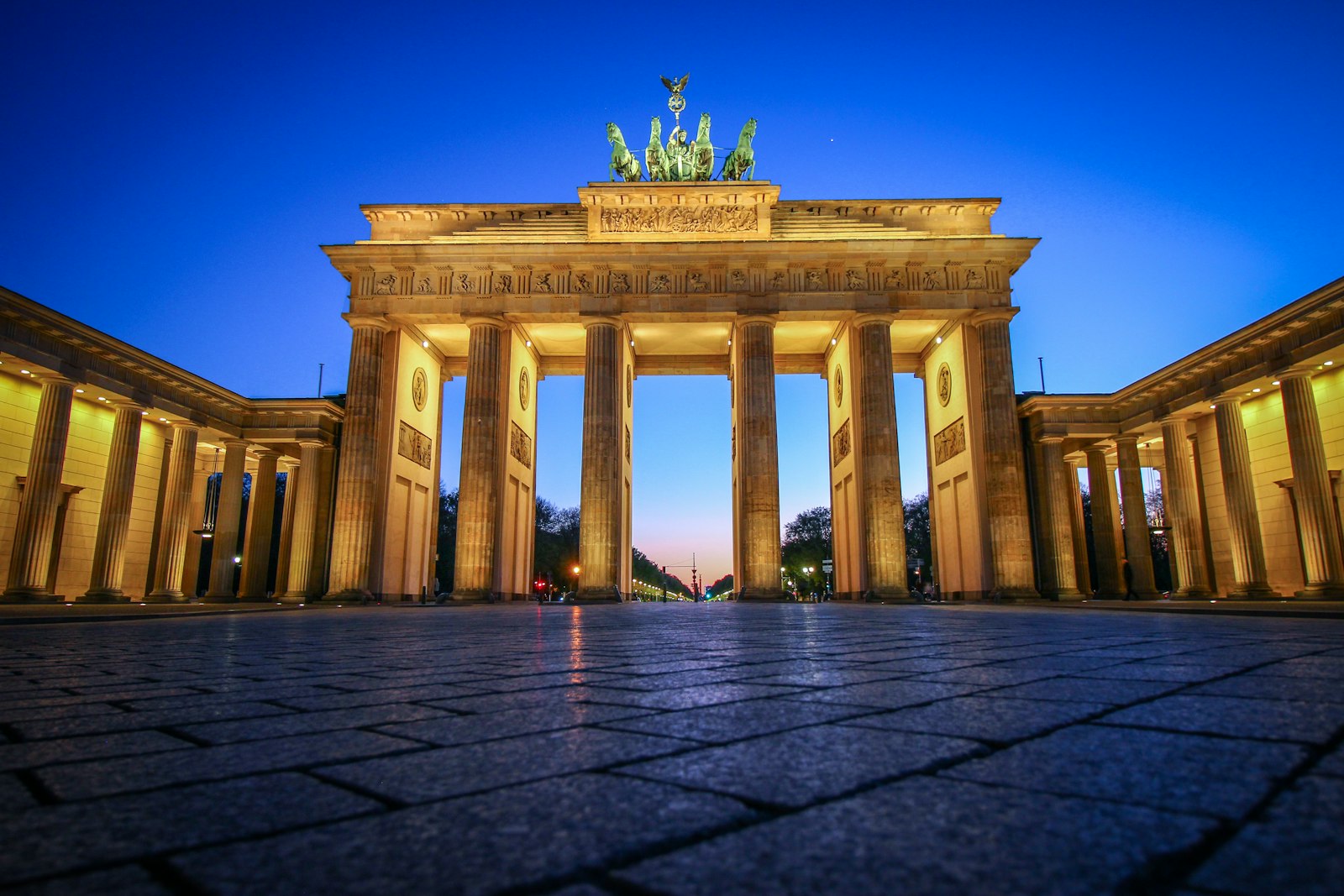
Study in Germany
Public universities charge €0–€1,500/year in tuition — even for international students. Strong in engineering, computer science, automotive, and business. German economy is the largest in Europe — job market is deep.
Free public universities: TU Munich, RWTH Aachen, KIT, Heidelberg, Humboldt Berlin
Strong in: Mechanical, Automotive, CS, Data, Finance, Business
18-month job seeker visa — longest in Europe
Average graduate salary €48–60K (engineering) / €42–52K (business)
Engineering, STEM, and research-oriented students. Budget-conscious families who want brand-name European education without UK/Ireland-level debt.
The single best value destination in Europe if your profile fits STEM. The trade-off is timelines: German visa processing is slower than Ireland, and programme deadlines are strict.

Study in Netherlands
Highest rate of English fluency of any non-native country in Europe. Home to TU Delft, Erasmus, Wageningen — globally respected, industry-connected. Ideal for business, tech, agri, and logistics.
Top research universities: TU Delft, University of Amsterdam, Erasmus, Eindhoven
Strong in: Business, Finance, Logistics, Tech, Engineering, Agritech
Dutch professionals speak English natively — plug-and-play work environment
Average graduate salary €38–52K, Amsterdam/Rotterdam hubs
Students who want an English-speaking European experience outside UK/Ireland — with strong brands and direct routes into Philips, ASML, Shell, Booking.com, and the Big 4.
Our quiet favourite. English-everywhere, strong programmes, manageable costs for Europe, and one of the smoothest visa processes on the continent.

Study in France
Home to HEC, ESSEC, ESCP, INSEAD, École Polytechnique — some of the most globally ranked business and engineering schools outside the US. Public universities are near-free; top private institutions are premium but investment-grade.
Grandes Écoles: HEC, ESSEC, ESCP, EDHEC, emlyon, École Polytechnique, CentraleSupélec
Strong in: Business, Luxury Management, Fashion, Engineering, Data Science, Fine Arts
Paris, Lyon, Toulouse — all English-taught programmes available
Average graduate salary €38–55K, €60K+ from Grandes Écoles
Students targeting global business, consulting, luxury, or finance careers. Those who want a globally respected MBA/MiM without US cost or UK saturation.
Grandes Écoles are genuinely world-class — and still underutilised by Indian students. If your profile is strong, a MiM from ESSEC/HEC opens doors the UK M7 does not.
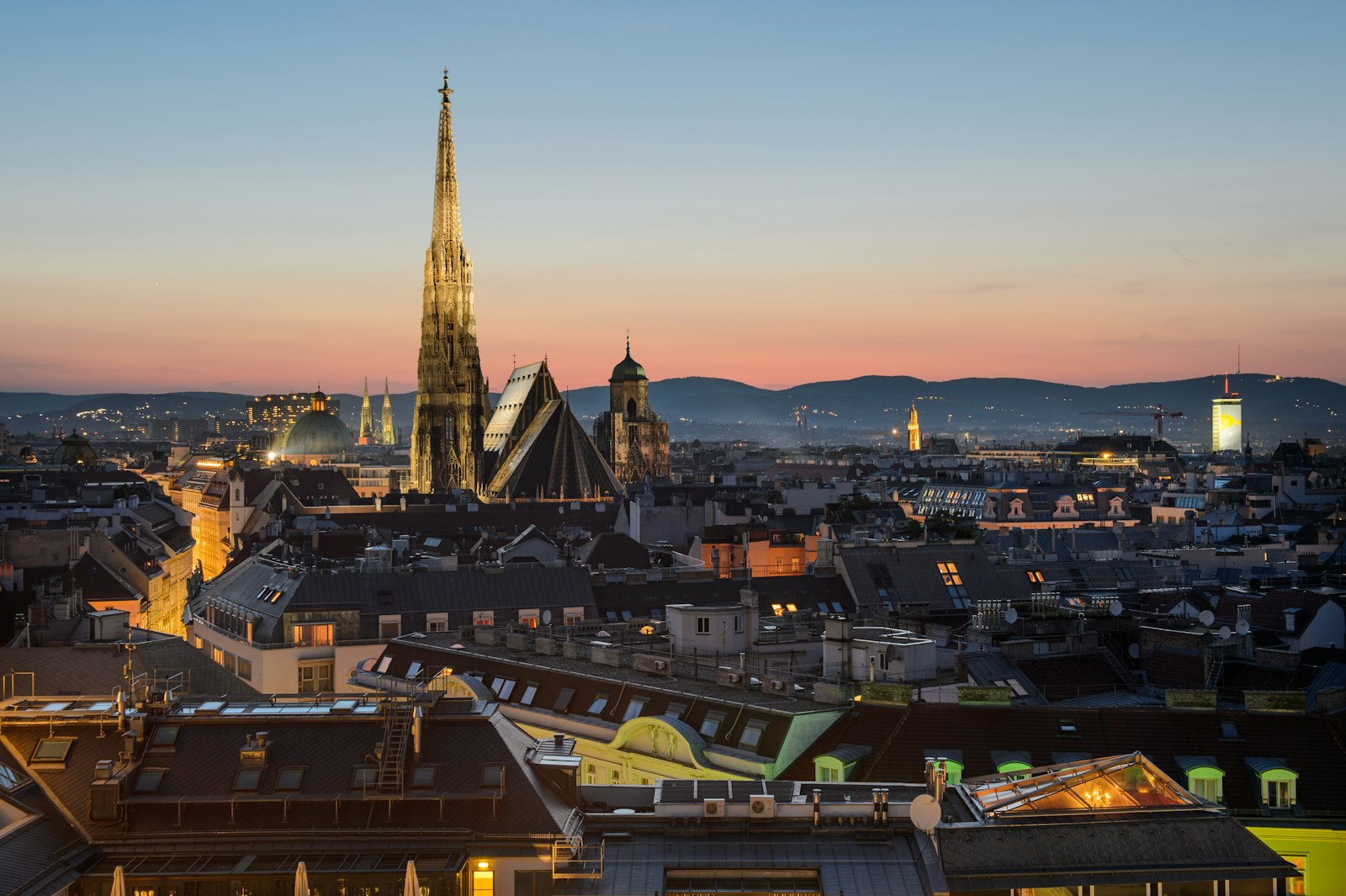
Study in Austria
Vienna has been voted the world's most liveable city seven times. Austrian public universities charge €1,500/year. Strong in music, business, engineering, and medicine — central location for EU access.
Top universities: University of Vienna, TU Wien, WU Vienna (business), University of Graz
Strong in: Business, Engineering, Music & Arts, Economics, Medical
Vienna is the EU's unofficial capital for international organisations (UN, OPEC, IAEA)
Average graduate salary €38–48K — Vienna is the highest-paying hub
Students who want a calmer, lower-cost European experience with genuinely high quality of life. Strong choice for business and music/arts profiles.
Austria is the EU's quietest recommendation. It doesn't get the attention Germany gets, but if you compare stress, safety, housing, and overall experience, Vienna outperforms on almost every non-brand axis.
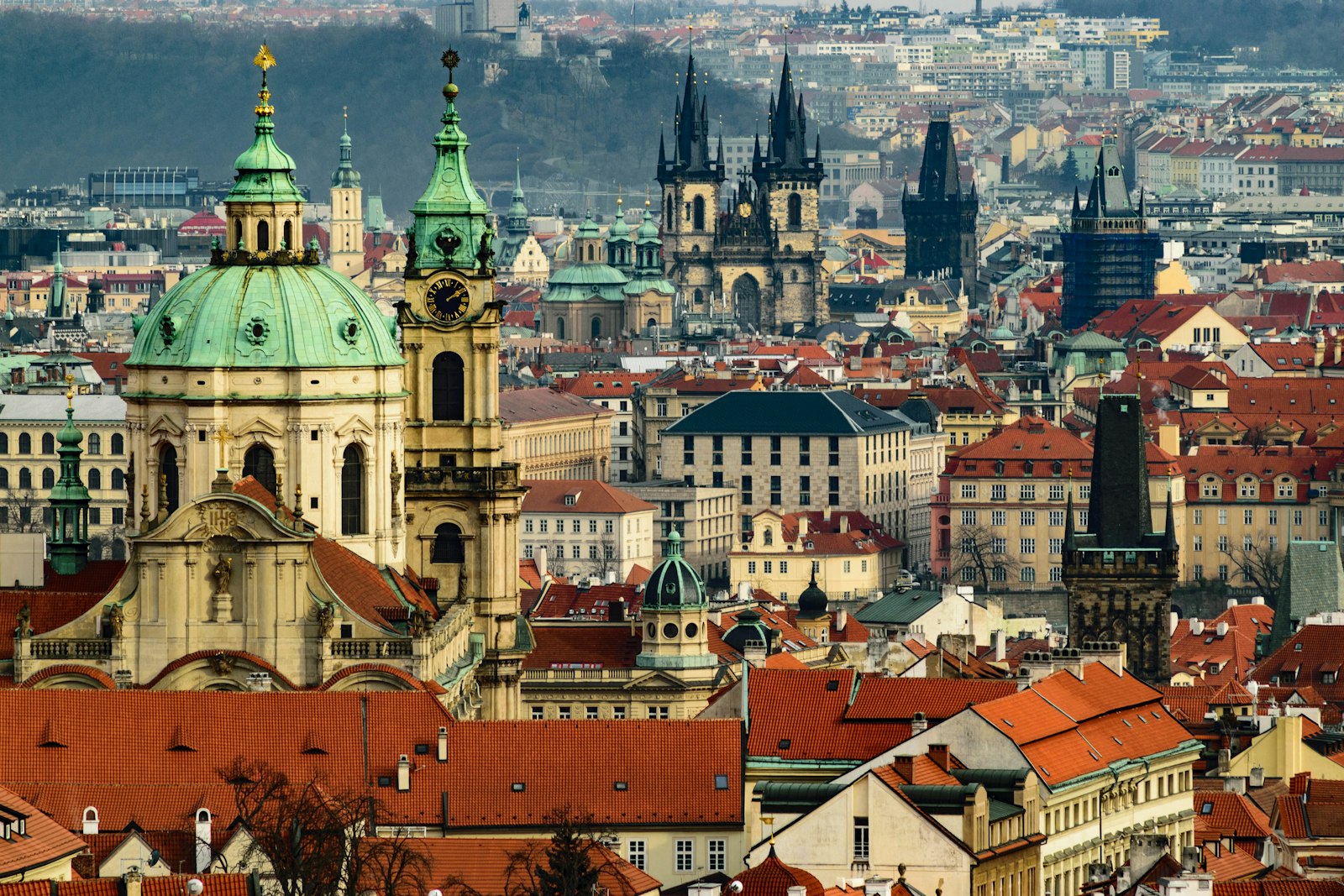
Study in Hungary
Budapest is where Ireland was 15 years ago — cheap, English-speaking, growing fast, and largely missed by Indian consultants. Hungarian government scholarships, strong medical schools, and the lowest total cost in the EU.
Top universities: Corvinus, IBS Budapest, Eötvös Loránd, Semmelweis (medical)
Strong in: Business, Medicine & Dentistry, Engineering, International Relations
We are a recruitment partner of IBS Budapest — direct access to admissions
Lowest total cost in the EU for a Masters: ₹18–25 L for the full 2 years
Budget-first families. Medical and dental aspirants. Students who want EU access + work rights without €40K debt. Profiles open to a smaller, emerging market.
This is where we have the most direct experience. We have been placing students in Budapest since before most consultants had it on their map. It is not for everyone — but for the right profile, it is the highest ROI destination on this page.
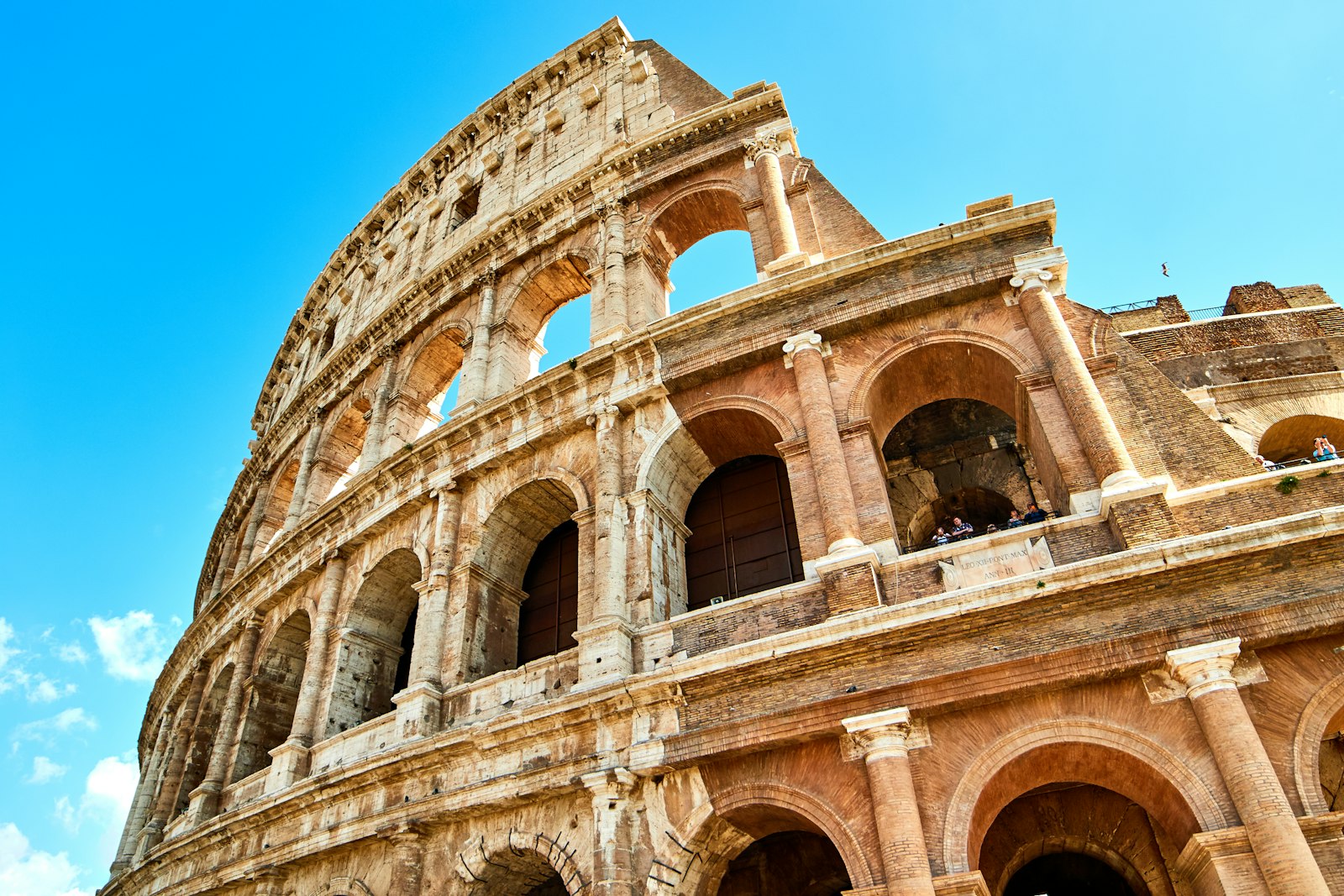
Study in Italy
Home to some of the oldest universities in the world (Bologna, Padua) and the global leaders in design and fashion (Politecnico di Milano, Bocconi, Domus Academy). Public tuition is €900–€4,000/year.
Top universities: Bocconi, Politecnico di Milano, University of Bologna, Sapienza Rome
Strong in: Design, Fashion, Architecture, Business, Engineering, Economics
Milan is the business & design capital; Rome for humanities; Bologna oldest in the world
Average graduate salary €30–42K, €45K+ from Bocconi/PoliMi
Design, architecture, fashion, and business students. Those drawn to Italian culture who can balance lifestyle appeal with the realistic job market there.
Italy works brilliantly for design, architecture, and business — particularly Milan. For pure tech careers we often redirect students to Germany or Netherlands. It is a country to choose with clarity about what you are choosing.
What one year actually costs.
Realistic 1-year total across all six countries. Tuition, living, visa, setup — everything in one line.
| Country | Tuition / yr | Living / yr | Total 1-yr (EUR) | Total 1-yr (INR) |
|---|---|---|---|---|
| 🇩🇪 Germany | €0–1.5K | €10K–€12K | €10K–€13K | ₹9–12 L |
| 🇳🇱 Netherlands | €12K–€20K | €12K–€14K | €24K–€34K | ₹22–31 L |
| 🇫🇷 France | €3K–€25K | €10K–€14K | €13K–€39K | ₹12–35 L |
| 🇦🇹 Austria | €1.5K–€15K | €10K–€12K | €11K–€27K | ₹10–24 L |
| 🇭🇺 Hungary | €6K–€15K | €7K–€10K | €13K–€25K | ₹12–23 L |
| 🇮🇹 Italy | €0.9K–€18K | €9K–€12K | €10K–€30K | ₹9–27 L |
Private/Grandes Écoles programmes sit at the top of each tuition range; public universities at the bottom. A Masters typically runs 1–2 years, so double the numbers for the full programme where applicable.
Student visa → Post-study → Blue Card.
The three-stage EU path that turns a 2-year degree into long-term European residency.
National D-visa + residence permit.
Each of the six countries issues a national student visa (the "D-visa") for the duration of your studies. You then convert it into a residence permit after arrival. Processing typically takes 4–8 weeks.
1–2 year job seeker window.
After graduating, each country gives you a post-study permit to stay and job-hunt. Germany 18 months, Netherlands 1 year, France 1 year (APS), Austria 12 months, Italy 12 months, Hungary up to 9 months.
Long-term residency, EU-wide.
Once you have a qualifying job offer, the EU Blue Card gives you the fastest route to long-term residency — valid across all 27 EU countries. Typical salary threshold €45K–€58K depending on country.
For a September / October 2026 intake.
European deadlines are earlier than Ireland's and stricter than the UK's. Start in April for the best programme options.
Country + programme shortlist. Early decision matters — EU deadlines vary widely by country.
Applications. Germany & France tend to run earlier than Ireland or UK. Hungary & Italy are more flexible.
Offers. Accept programme, pay deposit, begin APS (Germany) or APS certification (France) where required.
National visa appointments at consulates (VFS / embassy direct). Financial proof submission.
Visa issued. Accommodation search, flights, pre-departure. Register with local immigration on arrival.
Intake. Typical start dates: Germany Oct, Netherlands Sept, France Sept, Austria Oct, Hungary Sept, Italy Sept/Oct.
Early in Europe. Long before the crowd.
We have been placing students in continental Europe for over a decade — when every other Indian consultant was still locked into UK and Canada. That early position gives us real relationships with admissions teams at IBS Budapest, TU Munich partner programmes, and schools across Germany, Netherlands, France, Austria, and Italy.
Europe is not a single market — each country has its own deadlines, documentation, visa quirks, and programme strengths. We treat them as six different destinations, not one "Europe" bucket. That is why our visa success rate in the EU matches our Ireland numbers.
Senior counsellors only. No junior hand-offs. No hidden commissions.
The things most students actually ask.
Do I really need to learn German / French / Italian?
No. Every country on this page has 500+ English-taught Masters programmes. For daily life, basic local-language is helpful but not required — especially in Netherlands, where 95% of professionals speak English. Germany, France, Austria and Italy do benefit from even A1-A2 language skills for part-time work and integration.
Which country has the easiest visa?
Netherlands and Hungary are generally the smoothest. Germany has the highest paperwork load but a predictable process. France requires APS certification before applying. Austria is straightforward. Italy is improving rapidly. The "hard" part is usually documentation completeness, not approval.
Can I switch countries after graduating?
Yes. Once you have the EU Blue Card or equivalent work permit, you can move between EU countries for qualifying roles. Many of our students study in Germany or Hungary and eventually work in Netherlands, Switzerland, or Luxembourg.
How much budget do I actually need?
Germany is the cheapest (₹9–12 L for the full year). Hungary and Italy can be done for ₹12–25 L. Austria, France, and Netherlands run ₹22–35 L. This is roughly half to two-thirds of a UK or Ireland year — and the post-study work window is comparable.
Which country is best for Indian students?
It depends entirely on your profile and target. Germany is default for engineering and STEM; Netherlands for business and tech; France for global brand names; Hungary for medical/dental/budget; Italy for design/architecture; Austria for calm, lower-cost quality of life. We pick based on profile, not on what commission we earn.
Is the EU really this cheap compared to UK/Ireland?
For the right country, yes — especially Germany, Hungary, Italy. Total 1-year cost in Germany can be ₹9–12 L, versus ₹35–45 L for the UK. The trade-off: less global brand recognition for some universities, and a steeper cultural learning curve in non-English-native countries.
Tell us your profile. We'll pick the country.
30-minute call. No sales pitch. We'll recommend the right European country for your profile, budget, and target career — not the one that pays us the most.