A 1-year Masters.
A 2-year runway.
The UK gives you a globally recognised degree in 12 months and a 2-year Graduate Route to work afterwards — no employer sponsorship needed. Here's the honest case for studying in the UK in 2026.
Six reasons the UK still wins.
Despite the headlines, the core UK proposition for Indian students is as strong as it's ever been.
2-Year Graduate Route
The UK Graduate Route lets you stay and work for 2 years after your Masters — no employer sponsorship needed. Enough runway to find the right role, not just any role.
1-year Masters
Most UK Masters are 12 months. You finish a year sooner than the US or Australia, saving one full year of tuition and living cost — usually ₹20–30 L.
Globally recognised degrees
UK degrees carry weight everywhere — from Mumbai boardrooms to Dubai, Singapore, and Wall Street. The brand outlives the visa.
English is native
No translation friction, no "English-taught programme" asterisks. You live, study, network, and interview in the same language you already think in.
Gateway to the EU & Middle East
UK-based grads routinely move into EU or GCC roles after their Graduate Route. The UK degree is the passport.
Diverse, plug-and-play cities
40% of London is international. You won't feel like the odd one out. Hiring managers are used to Indian CVs.
Not just London. The UK is a map.
Where you study shapes your budget, network, and first job. A quick honest take on the four cities most of our students choose between.
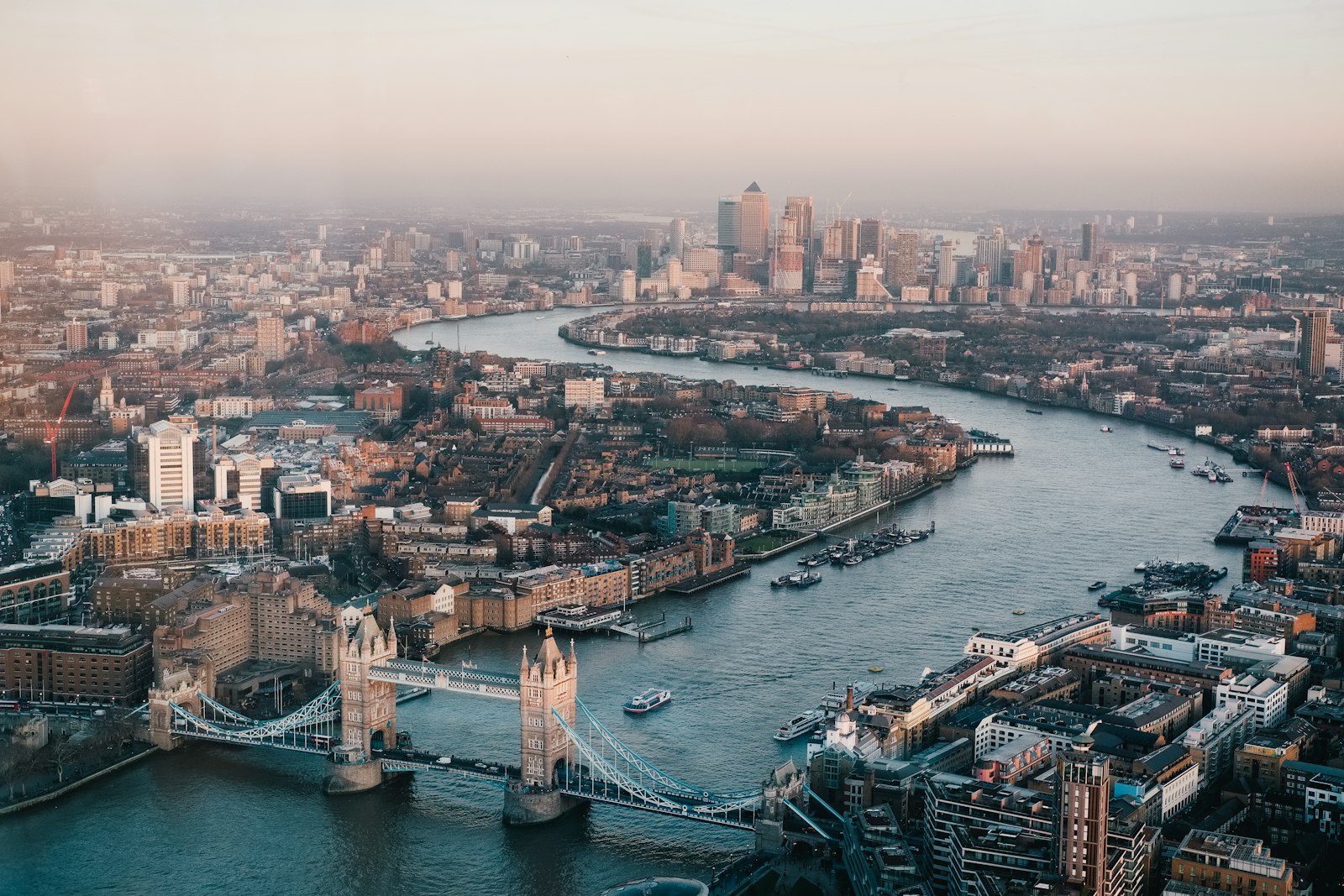
If your target sector is finance, consulting, law, or tech, London is still unmatched. Costs more, but the ROI justifies it for the right profiles.

Second-biggest graduate hiring market in the UK at roughly 60% of London's living cost. Strong in media, tech, engineering, and healthcare.

Top-tier universities, safer and quieter than London, strong in finance and data science. One of the highest graduate-outcome cities in the UK.

UK's 2nd-largest city. Central location, cheaper than London, and now host to most major banks' back-offices. Good for finance, supply chain, and engineering.
Glasgow, Leeds, Coventry, Bristol, Southampton, and others are strong options too — we cover them in consultation based on your profile.
What does one year in the UK actually cost?
A realistic budget for a 1-year Masters — tuition plus everything else. No hidden optimism.
| Line item | In GBP | In INR (approx) |
|---|---|---|
| Tuition (1-yr Masters) | £14,000 – £28,000 | ₹15 – 30 L |
| Living cost (per year) | £10,000 – £14,000 | ₹10 – 15 L |
| Visa + IHS health surcharge | £1,500 – £2,000 | ₹1.5 – 2 L |
| One-time setup (flight, deposit) | £1,000 – £1,500 | ~₹1 L |
| Total for 1 year | £26K – £45K | ₹28 – 48 L |
Student visa → Graduate Route → Skilled Worker.
Three visas. One clear pathway. Here's how the progression actually works.
Your study permit.
Valid for the full length of your course plus a buffer. You can work up to 20 hrs/week during term and full-time in breaks.
Your 2-year runway.
Apply after you graduate. No employer, no job offer, no sponsorship needed. Work any job, any sector, anywhere in the UK.
Your long-term route.
Sponsored by an employer on a list of eligible roles. Leads to settled status (ILR) after 5 years.
For a September 2026 intake.
Start now. The earliest applicants get the best scholarships and the calmest visa window.
Profile prep, shortlist programmes, IELTS/PTE if needed.
Applications open. Apply early — UK is rolling admissions, first-come first-served.
Offers roll in. Accept, pay deposit, start visa prep.
CAS letter → Student visa application → biometrics.
Accommodation, flights, financial proof, pre-departure briefings.
Intake. You're in the UK.
We've been placing Indian students in the UK for over 15 years.
The UK is the single market we've worked longest. That means we know which universities actually look at your profile, which programmes have real career outcomes, and which "offers" aren't worth the paper they're printed on. We'll tell you straight — even if it means telling you the UK isn't the right fit for you.
- Senior counsellors only — no junior call-centre hand-offs
- Full application support: SOP, LORs, CV, scholarships, visa
- Visa success rate consistently above UK national average
- Honest assessments — we decline fits that won't work
The things most students actually ask.
Is the UK still worth it after all the visa-rule changes?
For the right profile, yes. The Graduate Route (2 years PSW) is still intact and is one of the most generous post-study visas in the English-speaking world. The dependent-visa rules changed for taught Masters, but the core student pathway and PSW are unchanged.
How much budget do I realistically need?
Plan for ₹28–48 L for a 1-year Masters including tuition, living, visa, and setup. London is the top of that range; Manchester, Birmingham, Glasgow, Leeds are the lower end. We help profiles across this full range.
Do I need a very high GPA to get into UK universities?
Most UK Masters accept a 60%+ (or equivalent GPA) with the right profile context. The UK system is more holistic than it looks — strong SOPs, work experience, and the right programme fit often outweigh raw scores.
What if I want to work in the UK long-term, not just 2 years?
The Graduate Route is your 2-year runway to find a Skilled Worker sponsor. Most graduates who stay long-term pivot from Graduate Route to a sponsored role within 18 months. We cover this strategy in detail during consultation.
Do you only work with top-ranked universities?
No. We work across the full UK university spectrum — Russell Group, modern universities, and specialised institutions. The right university is the one that fits your budget, target sector, and career plan. Rank is one input, not the answer.
Let's see if the UK is right for you.
30-minute call. No sales pitch. We'll give you a realistic read on your profile, budget, and target universities.